Designed for acute care environments
Wellell medical support surfaces deliver evidence-based pressure injury prevention for hospitals and care settings. The portfolio combines alternating pressure technology with practical workflows —helping teams protect patients while supporting efficiency across the continuum of care.
Pressure injury prevention portfolio
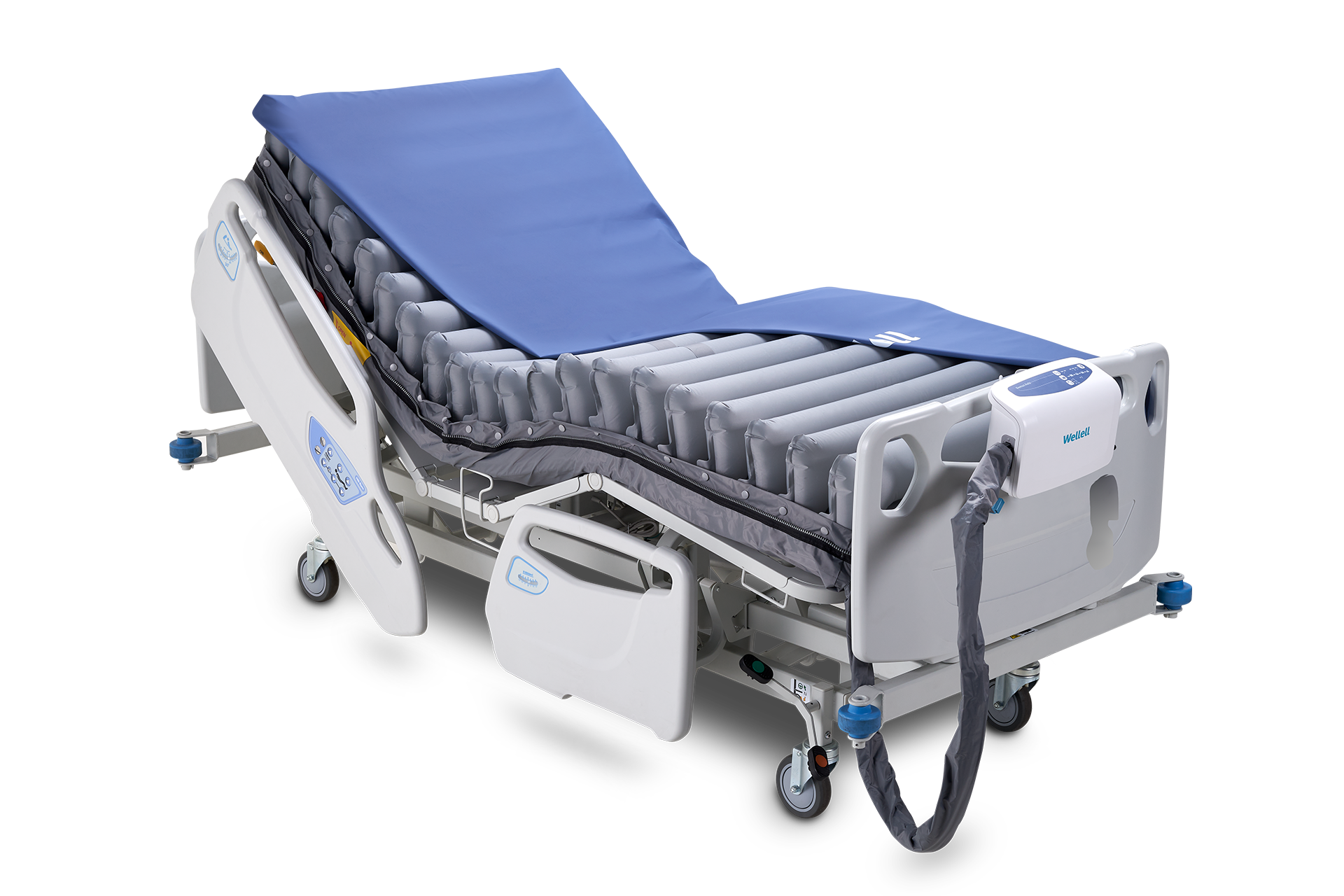
Moderate to high risk
Domus Auto
Automatic air mattress
Automatically adjusts firmness to patient weight distribution to optimize early-stage pressure injury prevention.
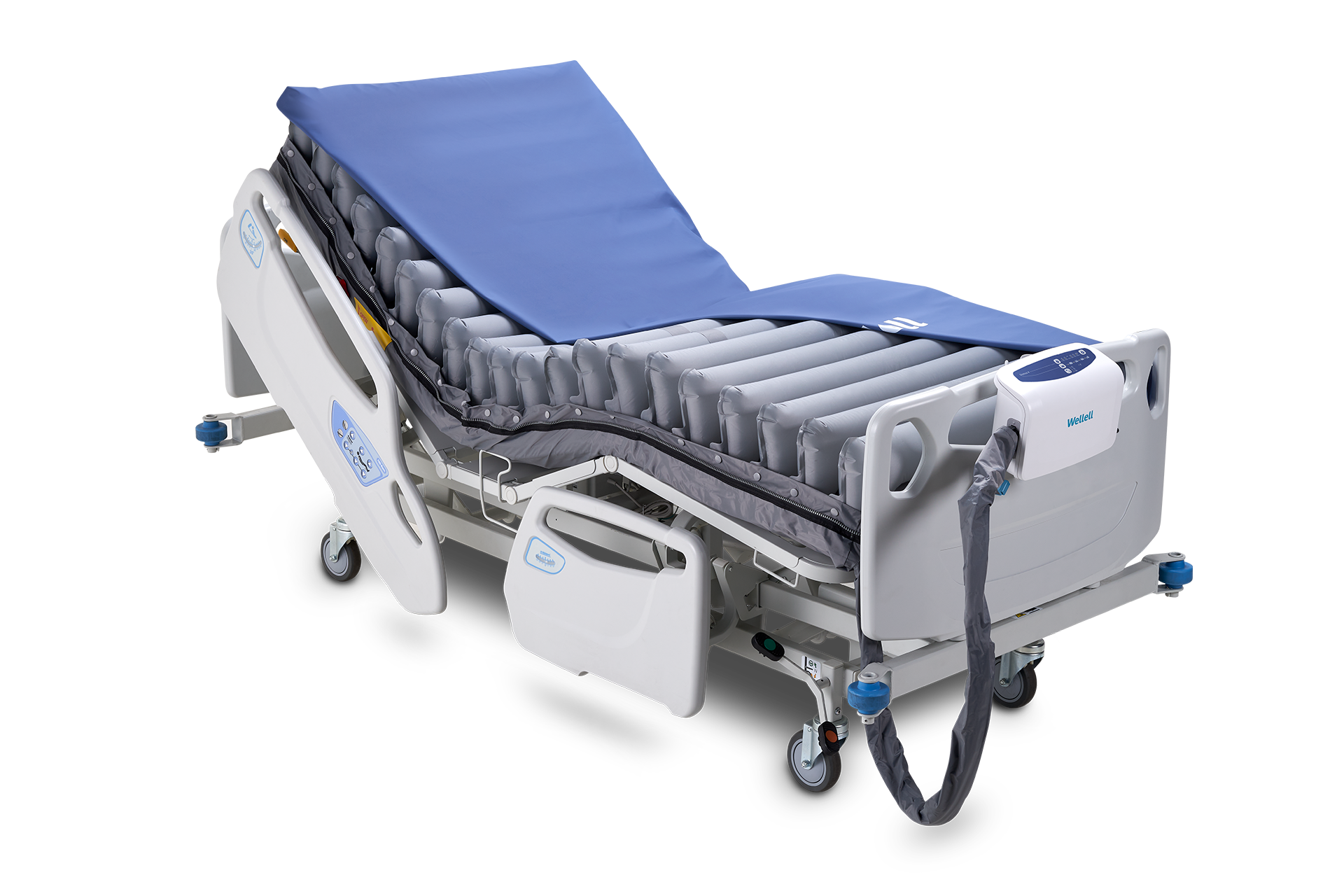
Moderate to high risk
Domus 4
Alternating pressure air mattress
Alternating and continuous low-pressure modes, digital control panel, and quiet operation for enhanced comfort.
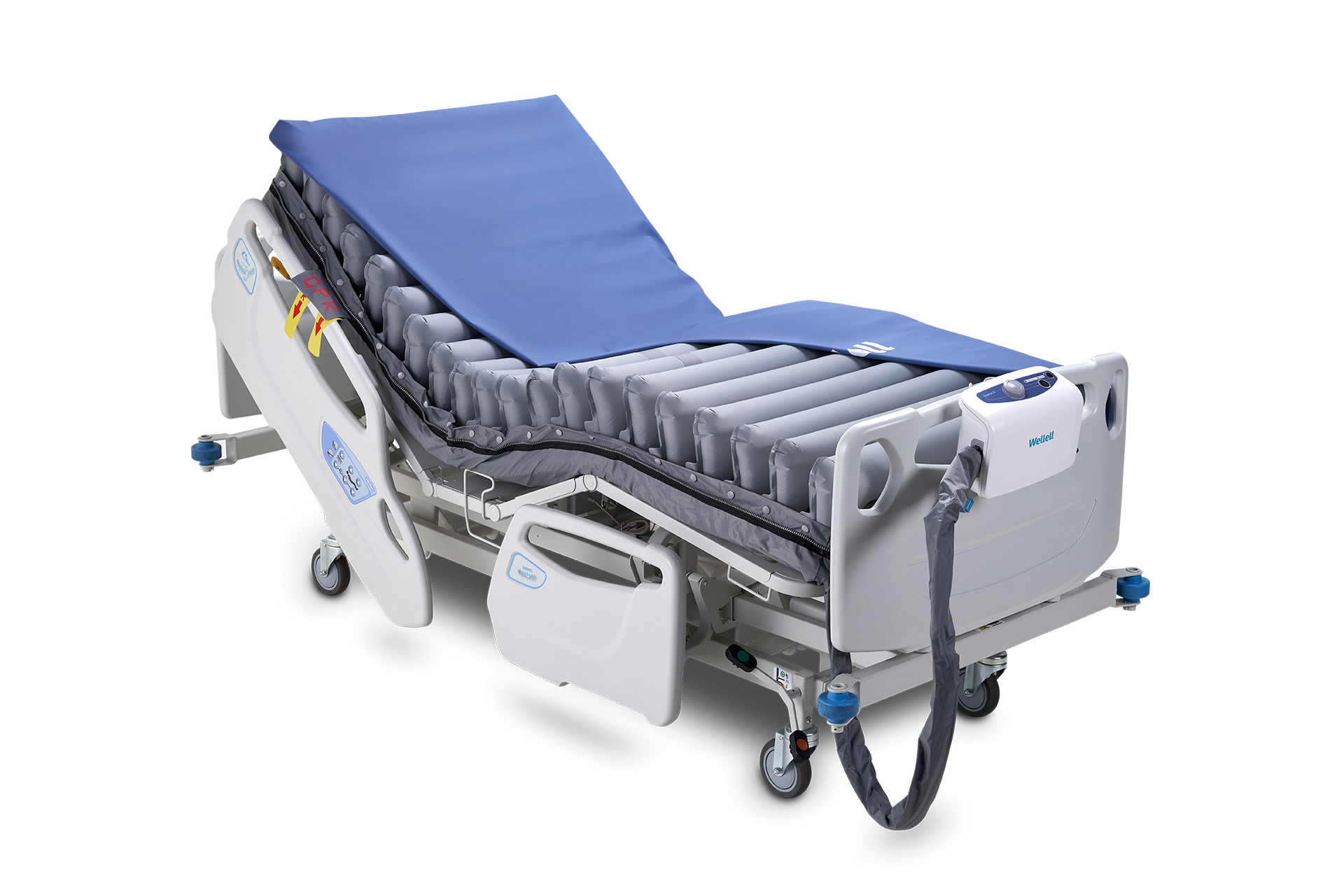
Moderate to high risk
Domus 3
Pressure relief air mattress
Alternating and static modes for nursing tasks; low-air-loss ventilated cells help improve comfort.
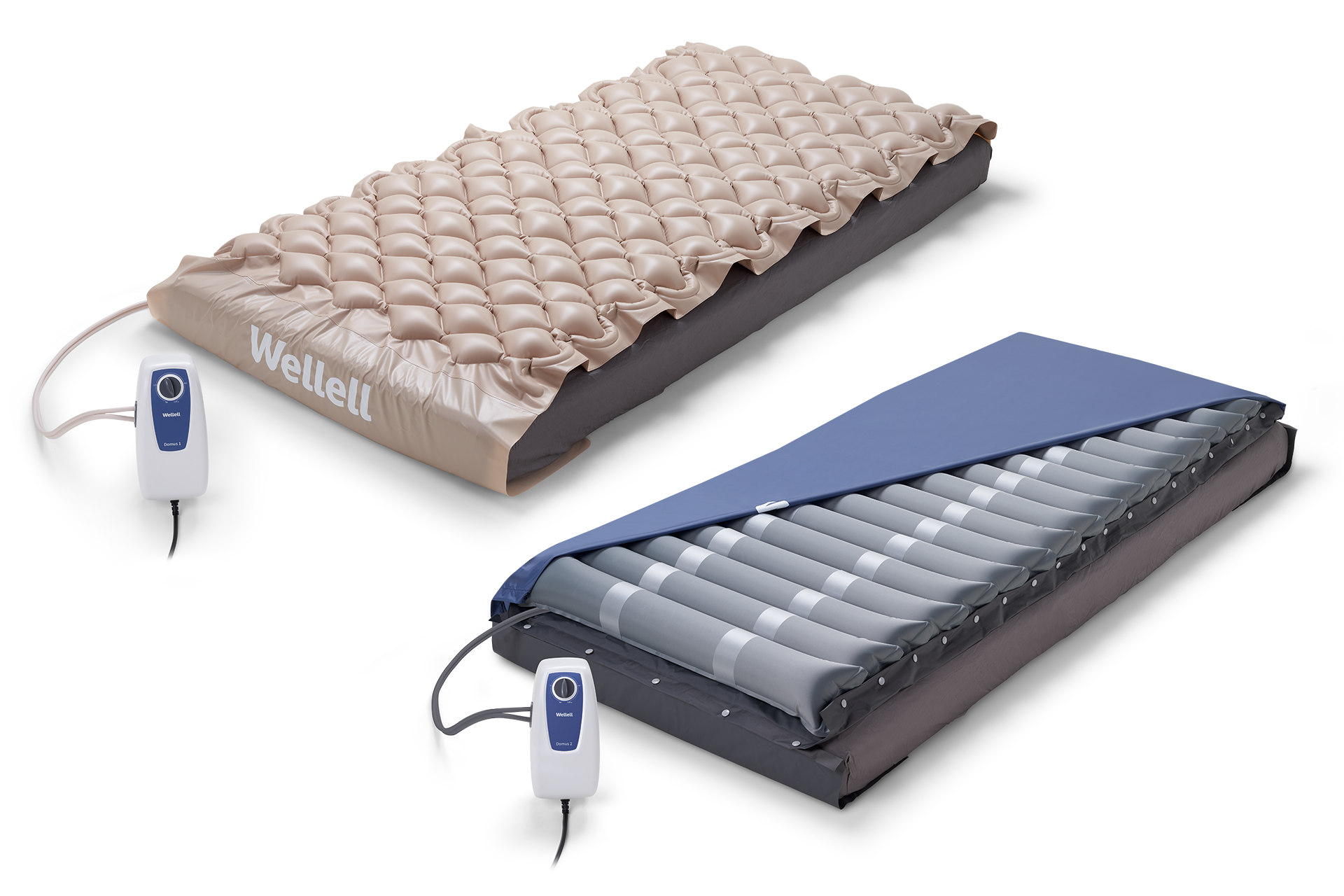
Moderate to high risk
Domus 1 & 2
Pressure relief air mattress
Lightweight, compact alternating pressure support —ideal for home care and transitional settings.
High to very high risk
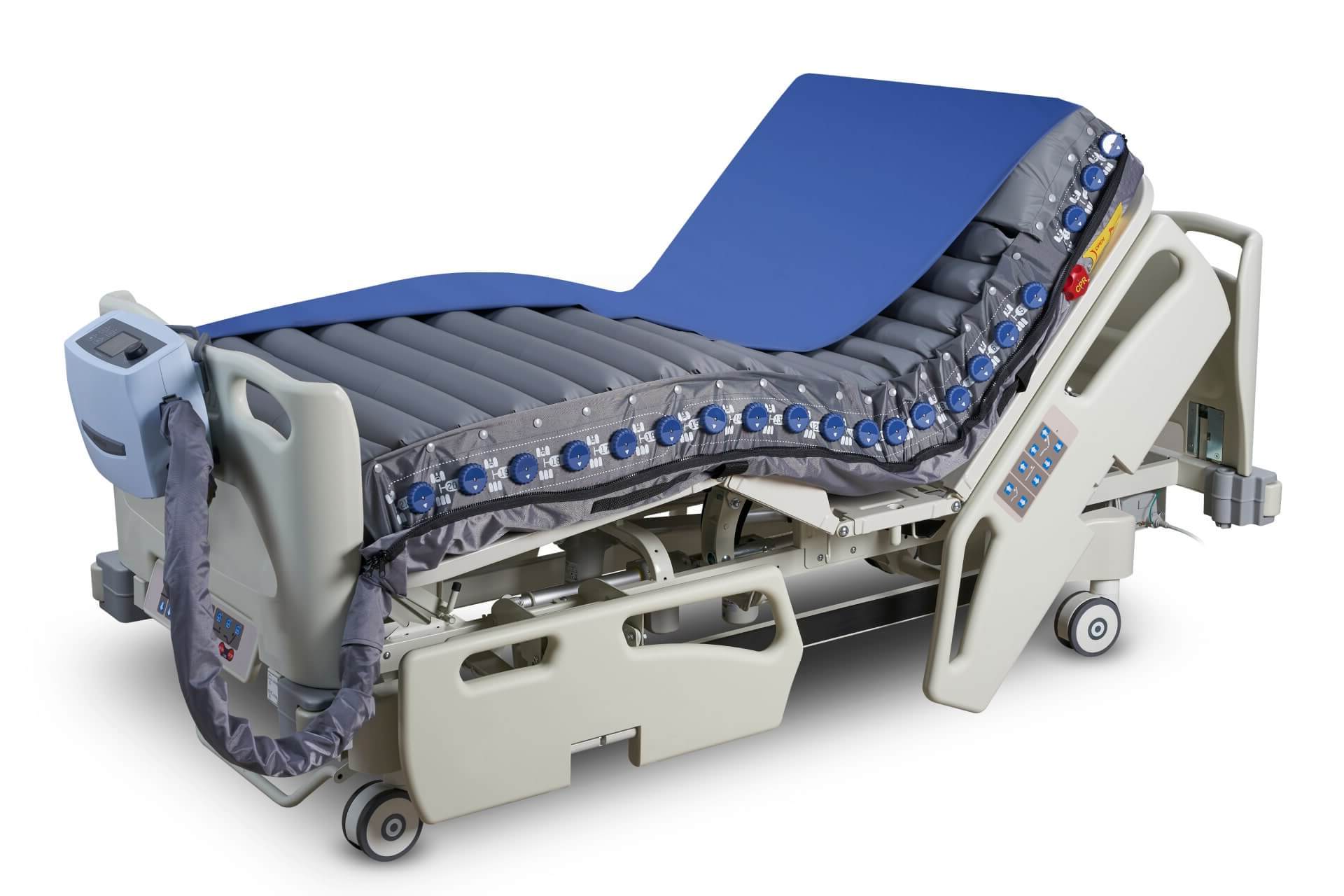
Optima Prone
Prone-position air mattress
Designed for prone ventilation in ARDS: assisted shoulder elevation, personalized air zones, and facial protection.
High to very high risk
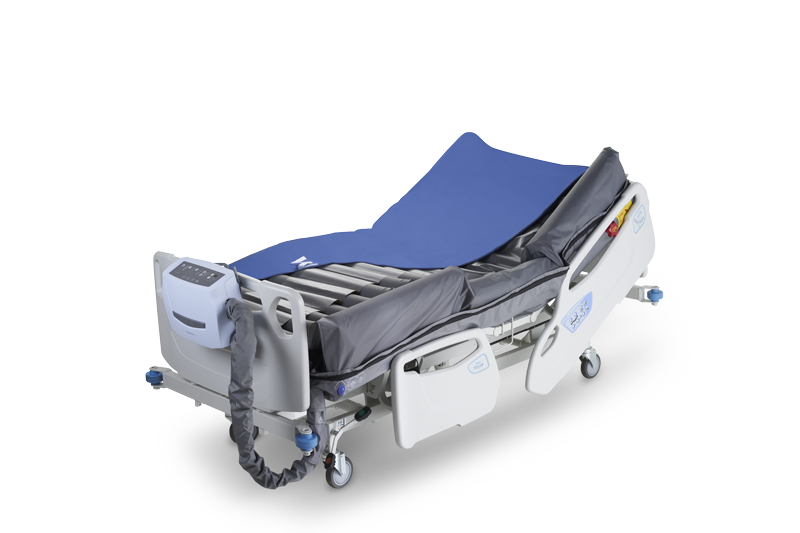
Optima Turn
Lateral rotation air mattress
Automated ~30° lateral turning to reduce caregiver strain and injury risk while supporting patient safety.
High to very high risk
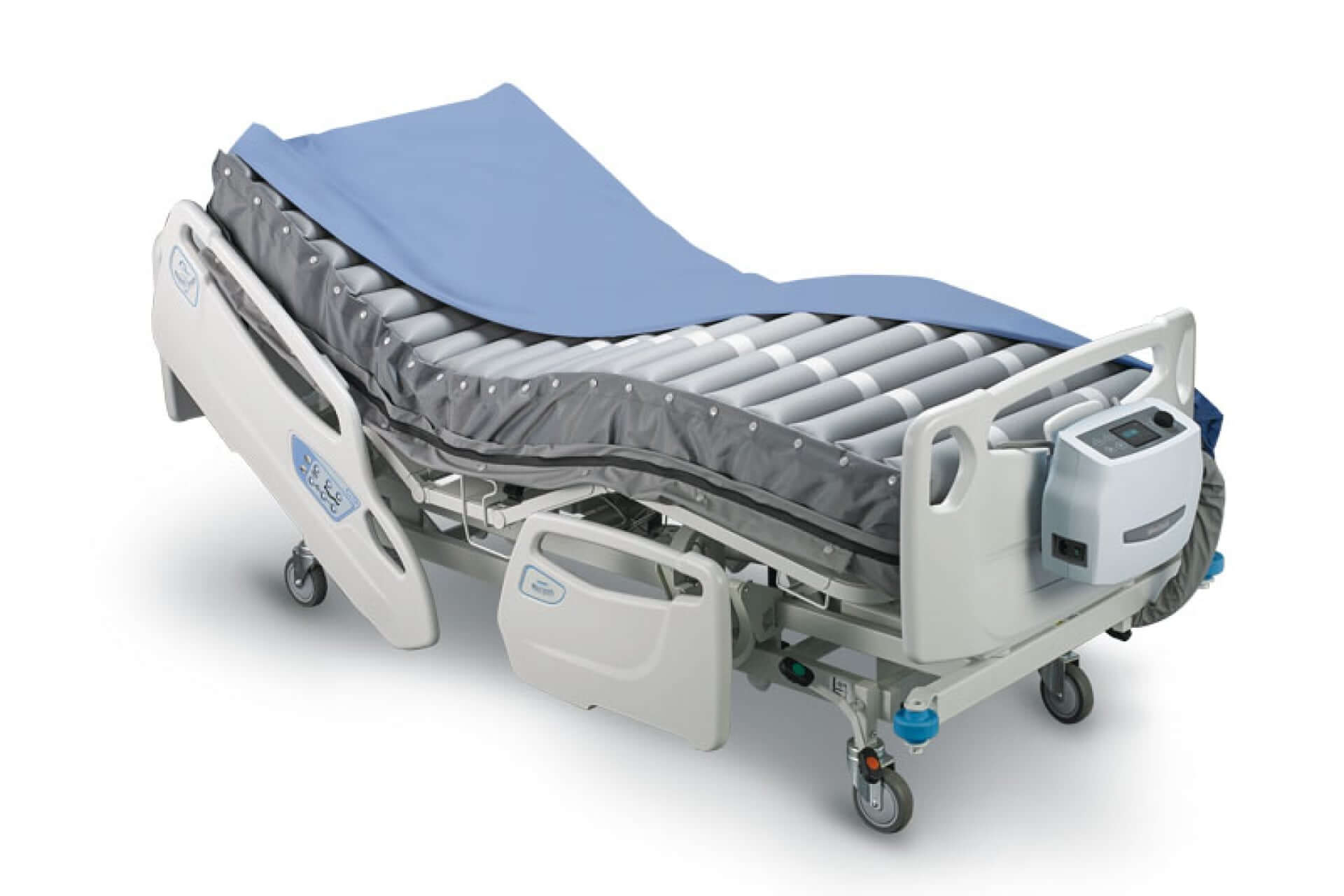
Optima Auto
Alternating pressure air mattress
Auto-adjusting zoned pressure for acute care; onboard battery helps maintain therapy during transport.
High to very high risk
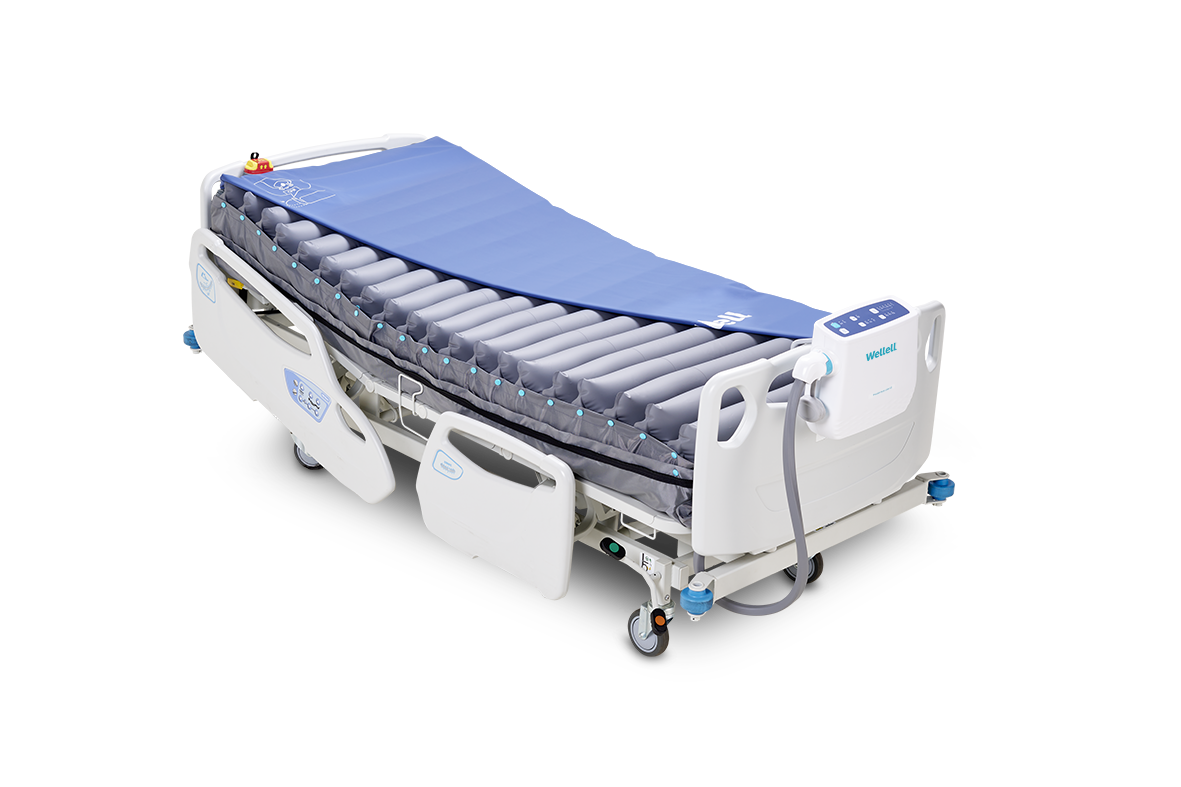
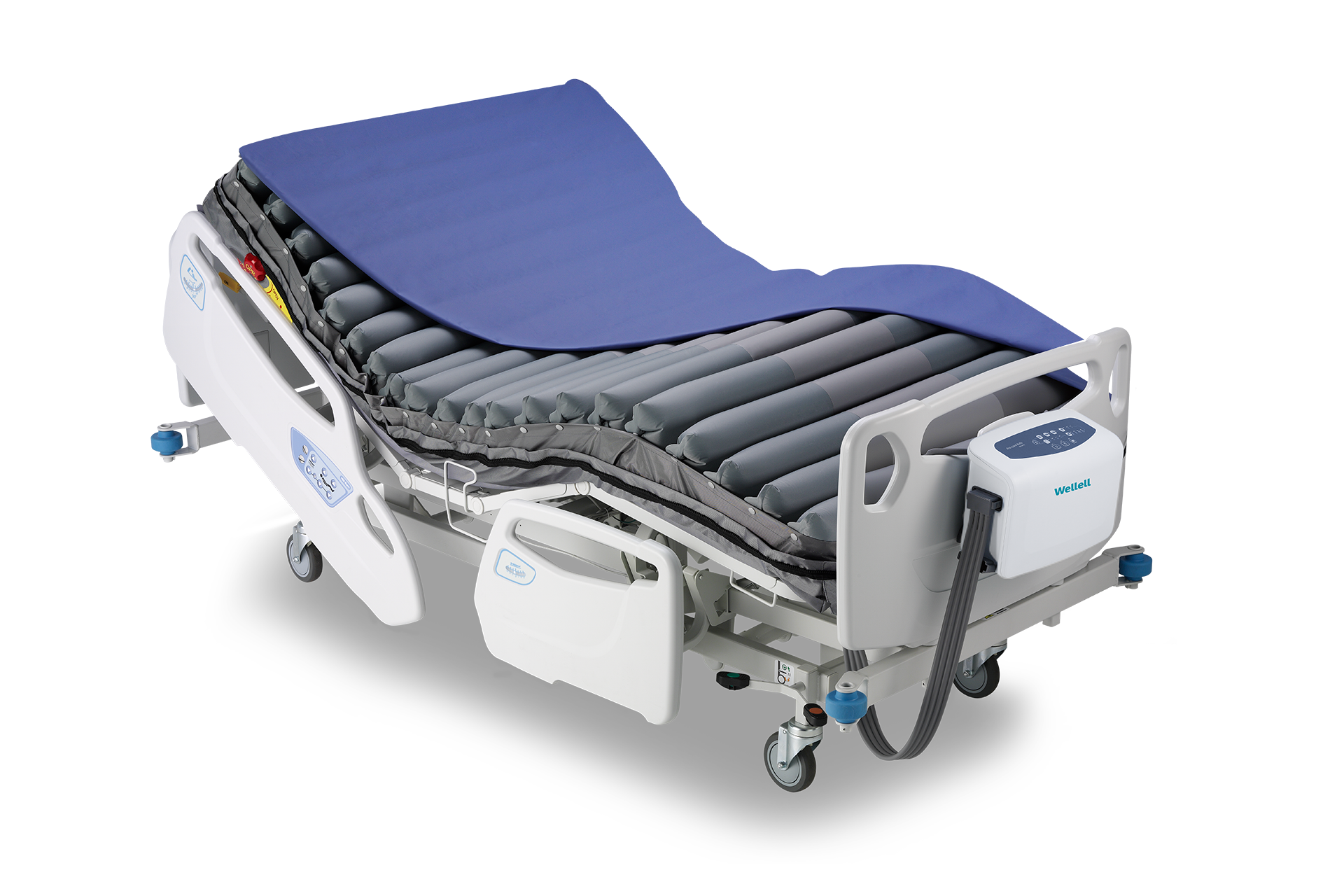
Procare Auto G3 & Link G3
Hospital air mattress
Dual-head compressor for rapid inflation; IoT-ready features to support clinical workflow and logistics.
High to very high risk
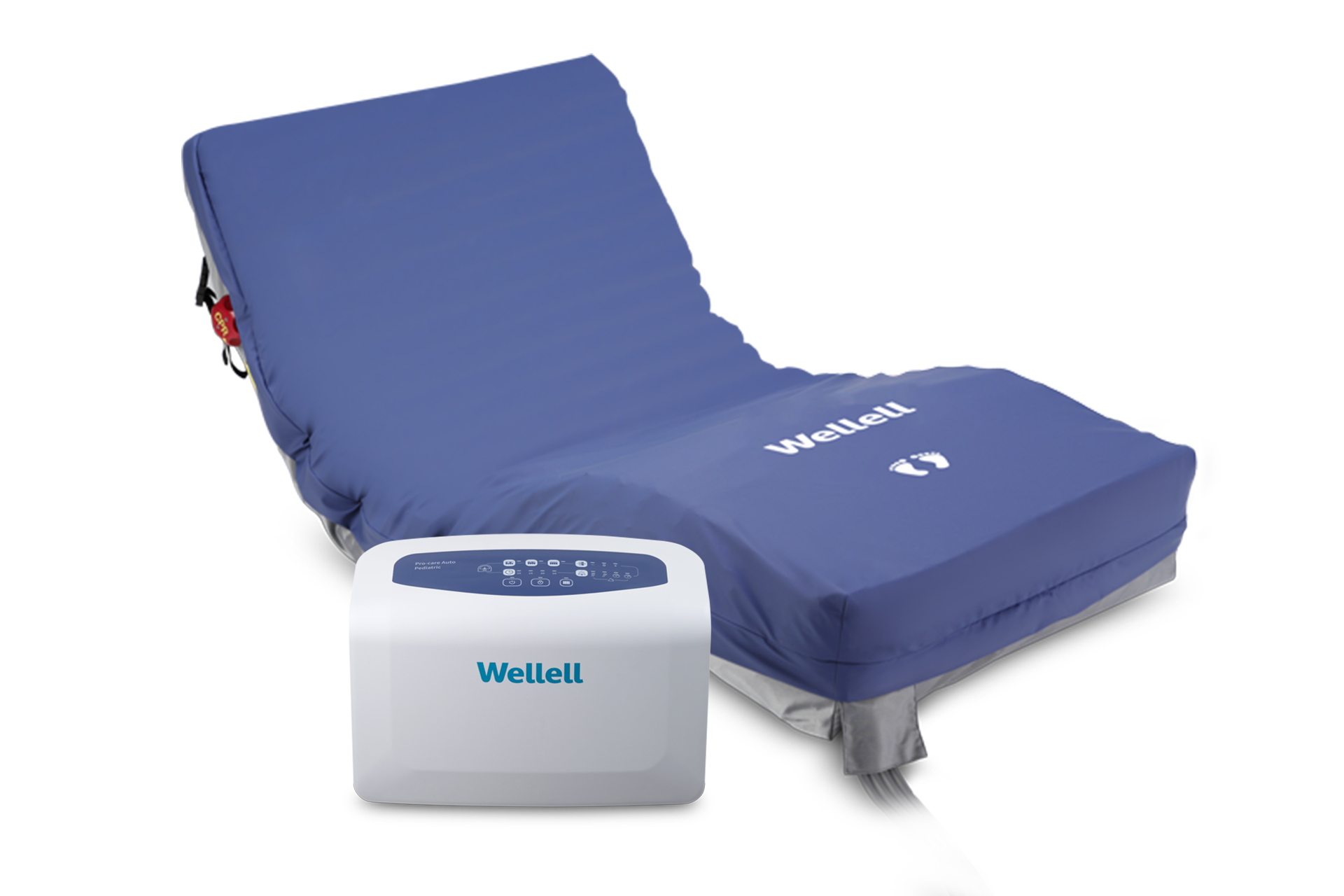
Procare Auto Bariatric G2
Hospital pressure relief air mattress
Wider, reinforced support for bariatric patients with auto-adjusting pressure to help prevent “bottoming out.—
High to very high risk
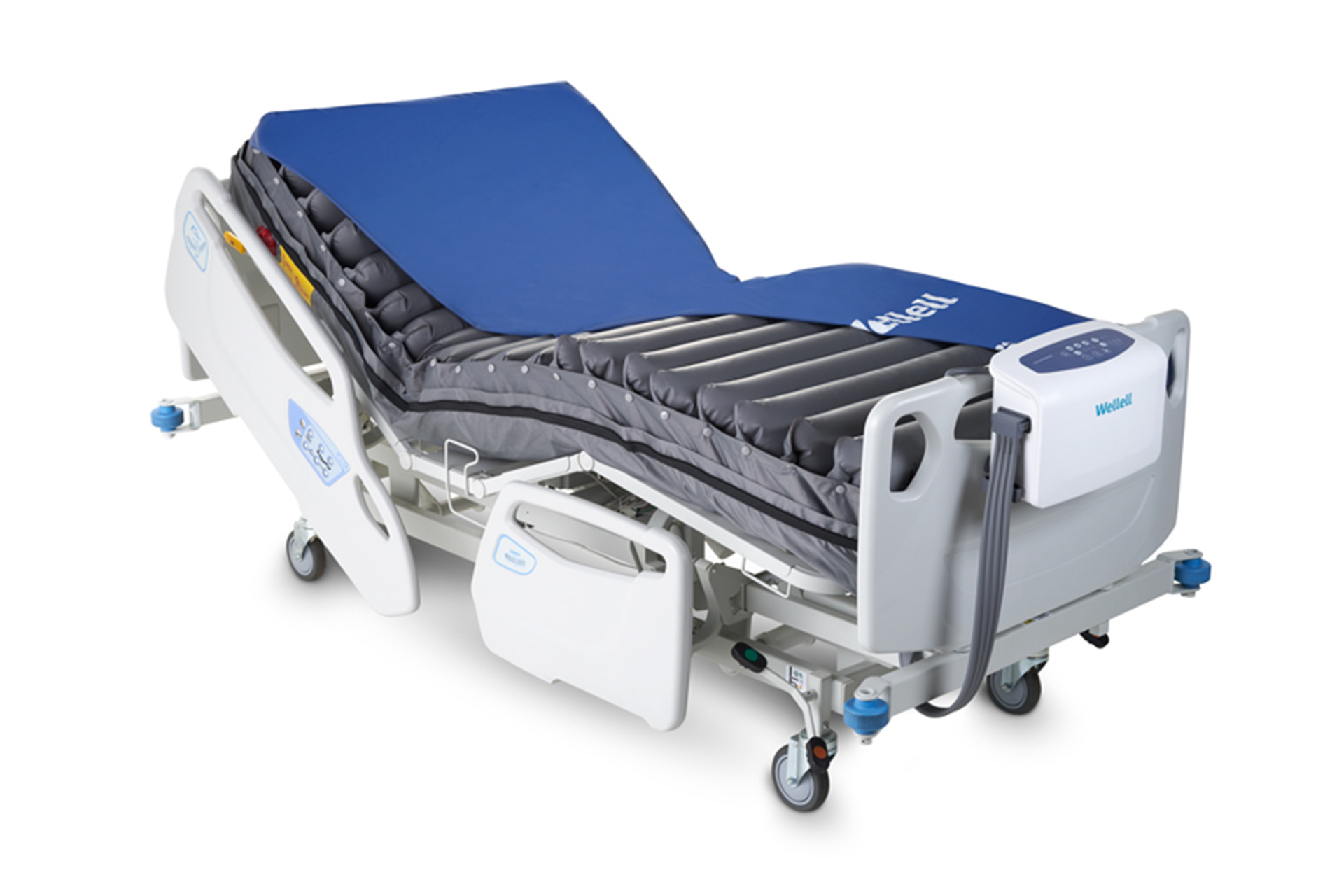
Procare Auto Pediatric G2
Hospital pressure relief air mattress
Narrower, denser cell layout for pediatric and smaller patients — full-surface alternating therapy.
High to very high risk
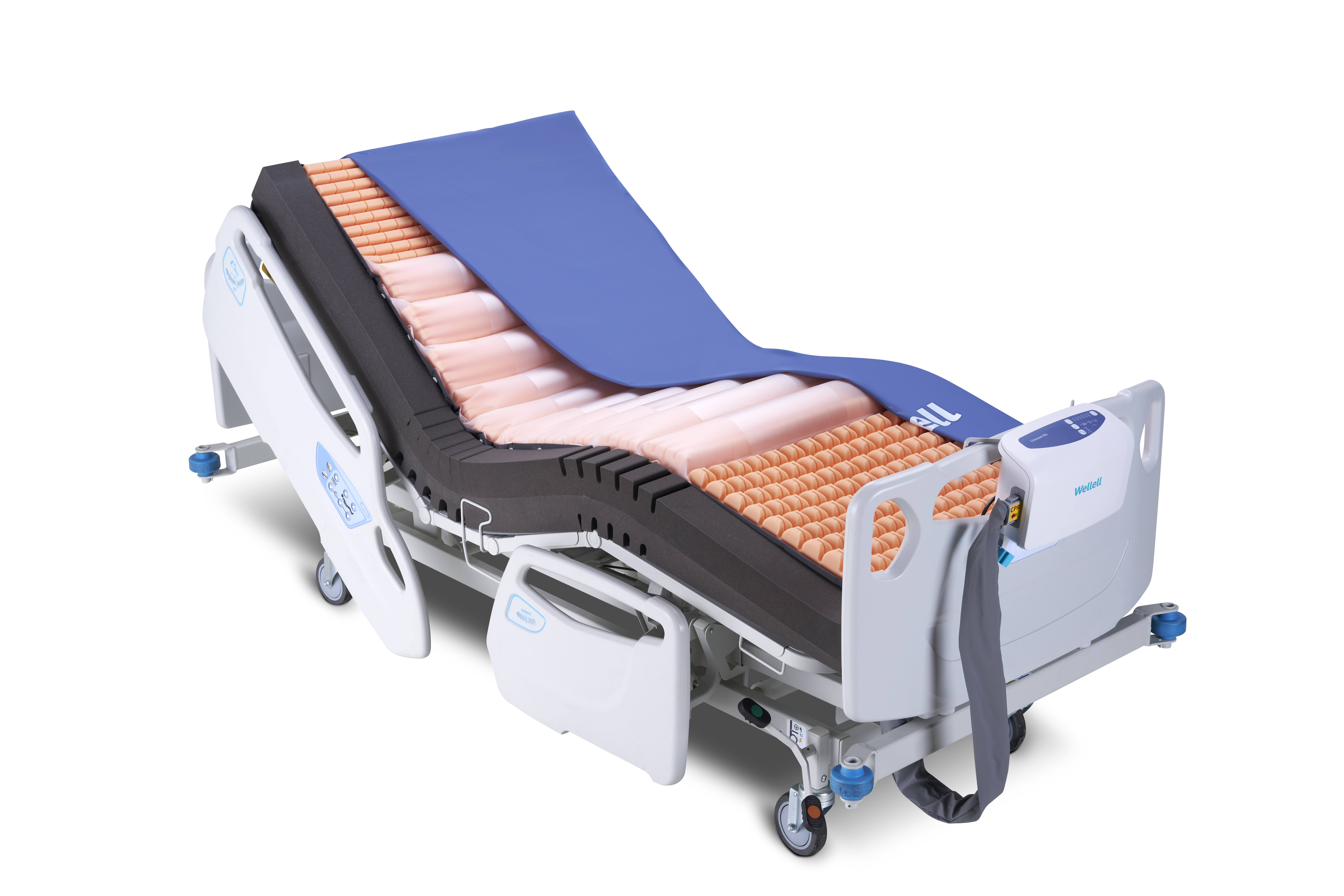
Procare Auto G2
Hospital air mattress
Dual compressors inflate in about 20 minutes; auto-regulated, gentle alternating pressure for sensitive patients.
Hybrid —stepped care
Crossover Nio
Hybrid mattress
Combines foam with dynamic pressure relief; switch modes without swapping mattresses —supporting flexible clinical workflows.
Frequently asked questions
-
Who should use a pressure-relief air mattress?
They are commonly used for people who are bedridden, older adults, post-operative patients, or anyone with limited mobility. Therapy surfaces help redistribute pressure, support circulation, and reduce shear —key factors in pressure injury prevention.
-
What types of pressure-relief mattresses are there?
Common categories include:
- Alternating pressure: cyclical inflation and deflation of air cells to offload tissue.
- Low-air-loss: continuous airflow to help manage heat and moisture at the skin surface.
- Hybrid: foam combined with air for stepped or transitional care pathways.
- Lateral rotation: automated turning support to assist repositioning and offloading.
-
Do hospital air mattresses help prevent pressure injuries?
Yes —when used as part of a broader plan, they can reduce focal pressure, support microclimate management, and assist with repositioning goals. They do not replace fundamentals such as scheduled turning, correct positioning, nutrition, and skin assessment.
-
Are hospital air mattresses suitable for every patient?
Many patients benefit, but not all clinical scenarios are the same. Patients who require rigid spinal support, specific immobilization, or certain positioning constraints may need individualized equipment choices guided by the care team.