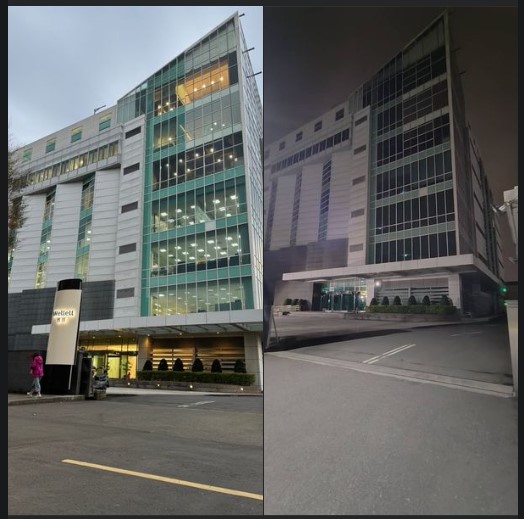
Wellell has established the Sustainable Development Best Practice Principles as the direction for the
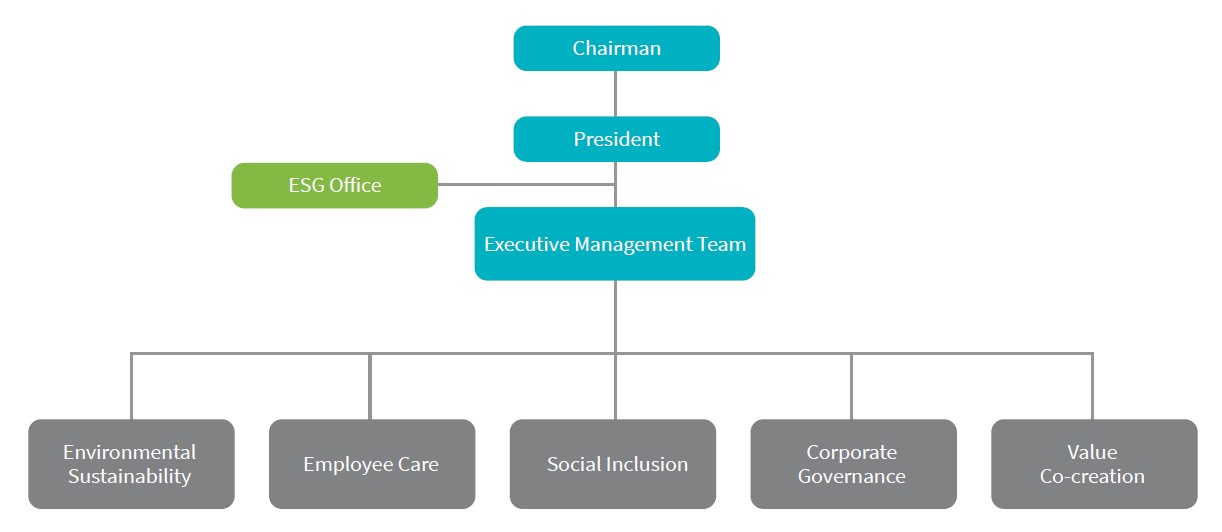
company’s sustainability development. A dedicated Sustainability Committee, chaired by the Chairman and
convened by the President, coordinates cross-department initiatives, annual ESG priorities, and progress
reviews to ensure practical implementation.
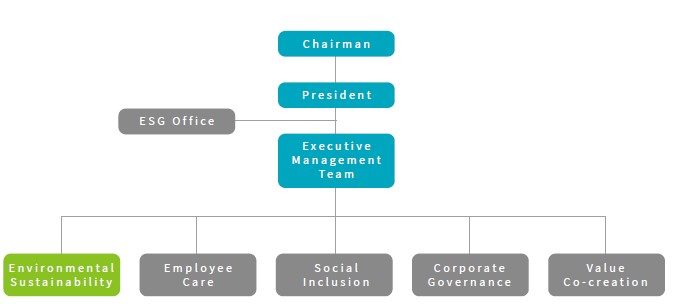
To strengthen governance and execution, Wellell has established an ESG Office to integrate initiatives
from Corporate Governance, Environmental Sustainability, Employee Care, Social Inclusion, and Value
Co-creation groups. The committee reports regularly to the Board of Directors, ensuring transparent
communication with stakeholders and consistent alignment with long-term development goals.
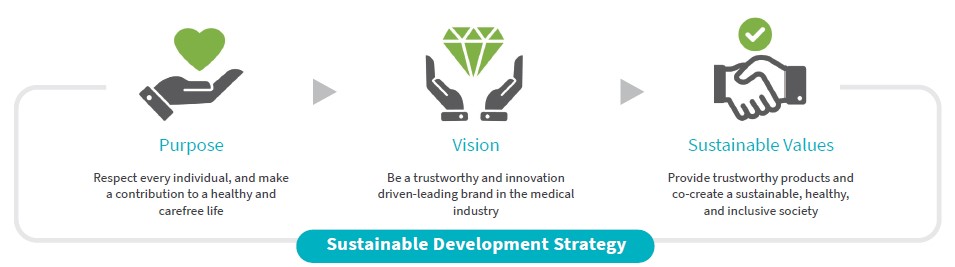
Sustainable Strategy
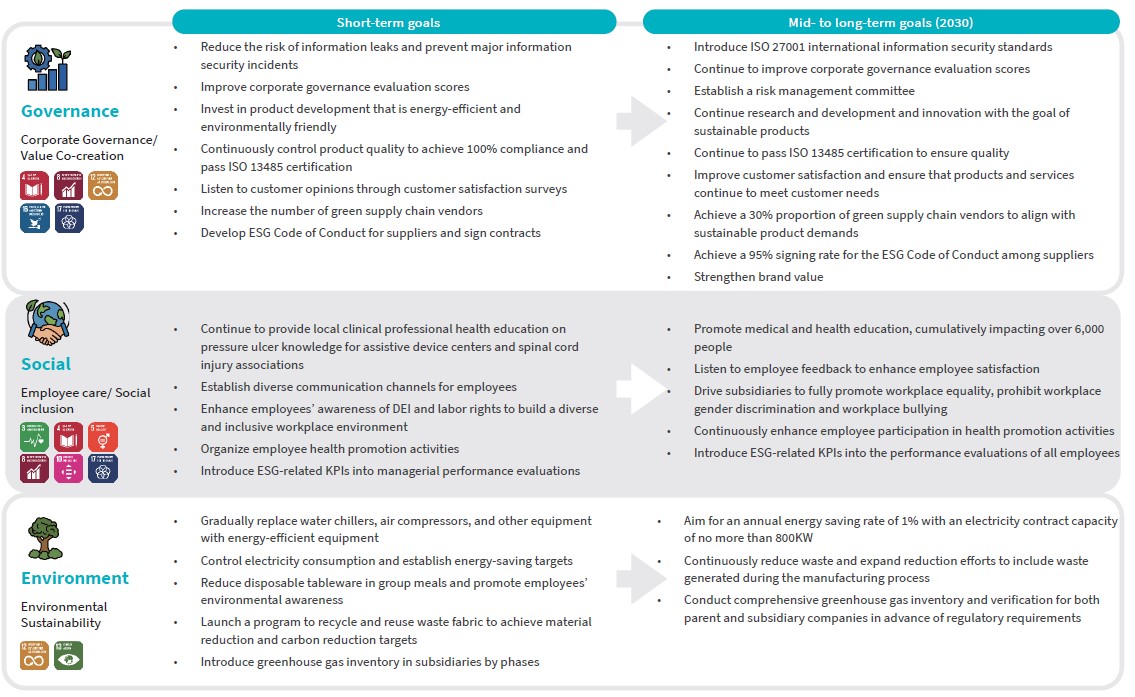
Wellell aligns sustainability with business strategy by integrating environmental, social, and governance
topics into annual planning and long-term performance tracking. Based on stakeholder expectations and UN
SDGs, the company identifies strategic goals and key indicators, then deploys measurable action plans
across operations.
Governance oversight is maintained through regular Board reviews and committee-level management. This
structure supports continuous improvement and ensures sustainability programs create concrete value for
patients, caregivers, employees, and partners.
Material Topics
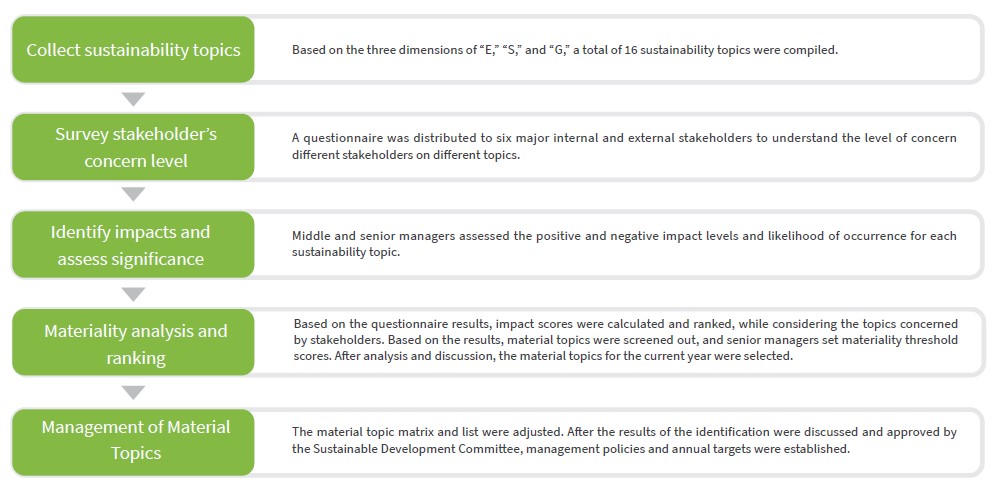
Wellell values stakeholder expectations and develops material topics based on GRI and SASB references
relevant to the medical device industry. By evaluating impacts, risks, and opportunities across ESG
dimensions, the company prioritizes topics that are most significant to sustainable value creation.
Every two years, Wellell conducts materiality assessments with internal and external stakeholders,
supported by surveys and management workshops. The results are validated through committee review and
reported to the Board of Directors to guide strategic decisions.
Stakeholder Identification
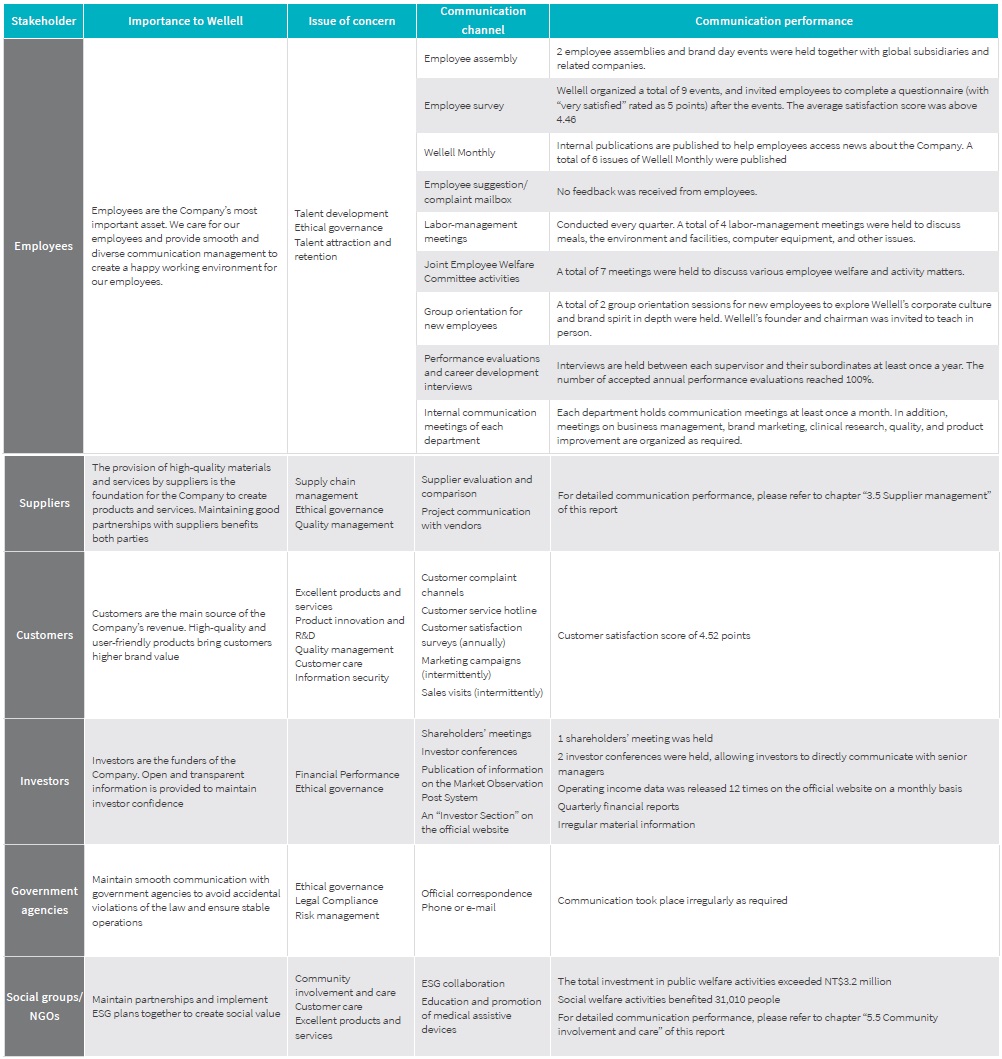
In accordance with AA1000 stakeholder engagement principles, Wellell identifies key stakeholder groups
including employees, healthcare providers, customers, suppliers, investors, and communities. The company
regularly reviews stakeholder concerns and incorporates findings into ESG planning and performance
management.
Cross-functional teams coordinate communication channels and feedback mechanisms to ensure timely response
to material issues. This approach supports better governance transparency and improves the effectiveness of
stakeholder engagement across regions and business functions.
Stakeholder Communication
Wellell maintains open communication with stakeholders through annual reports, investor disclosures,
supplier collaboration meetings, internal forums, and dedicated ESG contact channels. Priority issues are
categorized by urgency and business impact, then escalated to responsible teams for follow-up actions.
Feedback performance is reviewed quarterly by the Sustainability Committee to ensure concerns are
addressed with clear ownership and timelines. Significant themes are included in management reviews and
public disclosures to strengthen trust and accountability.
Climate Change Management
Wellell follows TCFD recommendations and integrates climate risk governance, strategy, risk management,
and metrics into sustainability management. Climate-related opportunities and risks are assessed across
operations, products, and supply chain activities.
The Environmental Sustainability Group works with the ESG Office to track carbon reduction progress and
report implementation status to executive leadership and the Board, enabling timely decision-making on
mitigation and adaptation priorities.
Energy Management
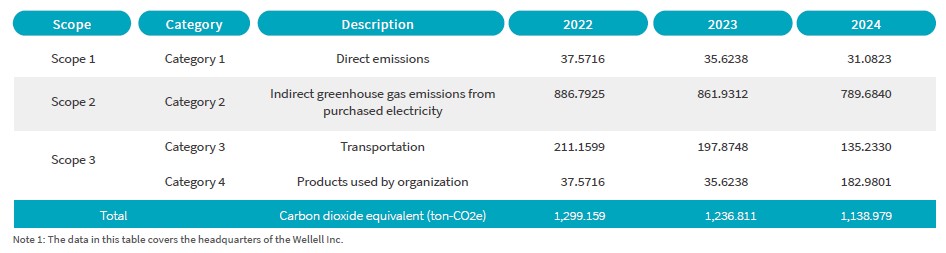
Electricity is Wellell’s primary energy source. The company tracks greenhouse gas emissions, water usage,
and waste generation, and applies annual reduction targets through equipment upgrades and process
improvements.
In recent years, Wellell has improved operational efficiency by introducing energy-saving controls and
facility optimization initiatives, reducing emissions intensity while maintaining production stability and
quality standards.
Diversity
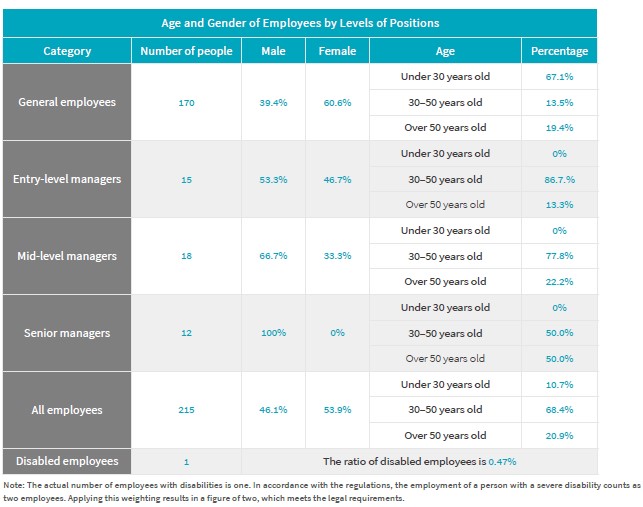
Wellell promotes a diverse and inclusive workplace, encouraging equal opportunities regardless of gender,
nationality, age, or background. Talent policies are designed to support fair recruitment, transparent
advancement, and inclusive leadership development.
The company monitors diversity indicators across levels and functions, and continuously improves the
employee experience through inclusive communication, managerial capability building, and transparent
governance mechanisms.
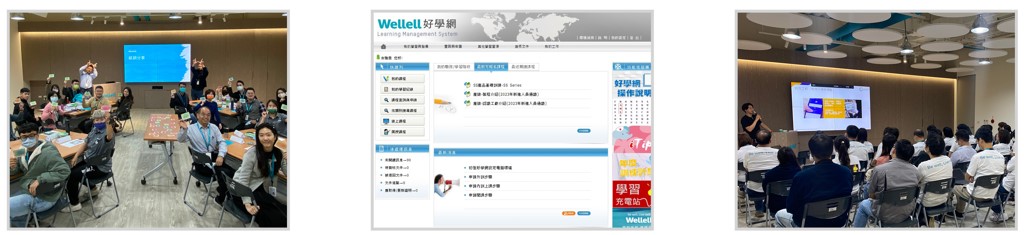
Talent Development
Wellell develops talent through a structured dual-track system for management and specialist growth. The
framework supports capability progression, leadership readiness, and role-fit development for long-term
organizational resilience.
Training programs combine professional courses, internal knowledge-sharing, and practical projects aligned
with business priorities. Annual learning plans are tracked to ensure teams build the competencies needed
for future growth.
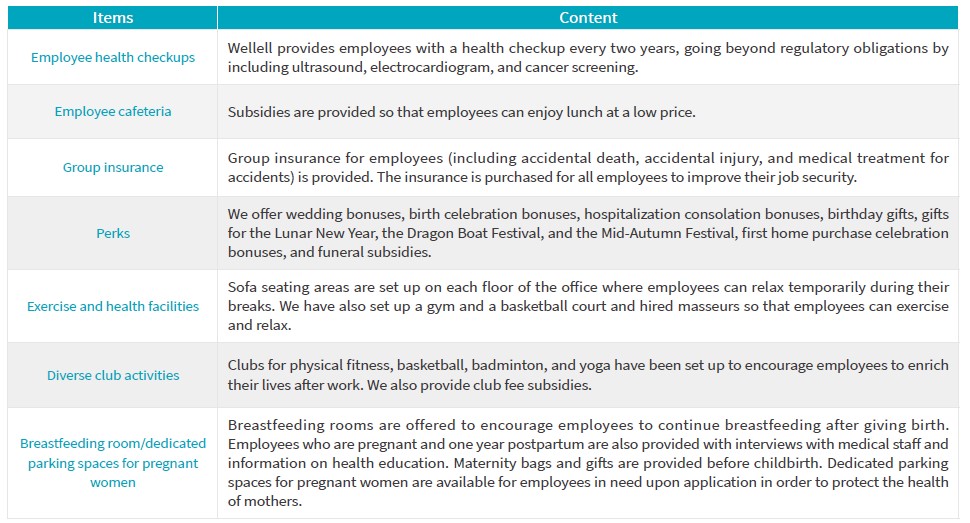
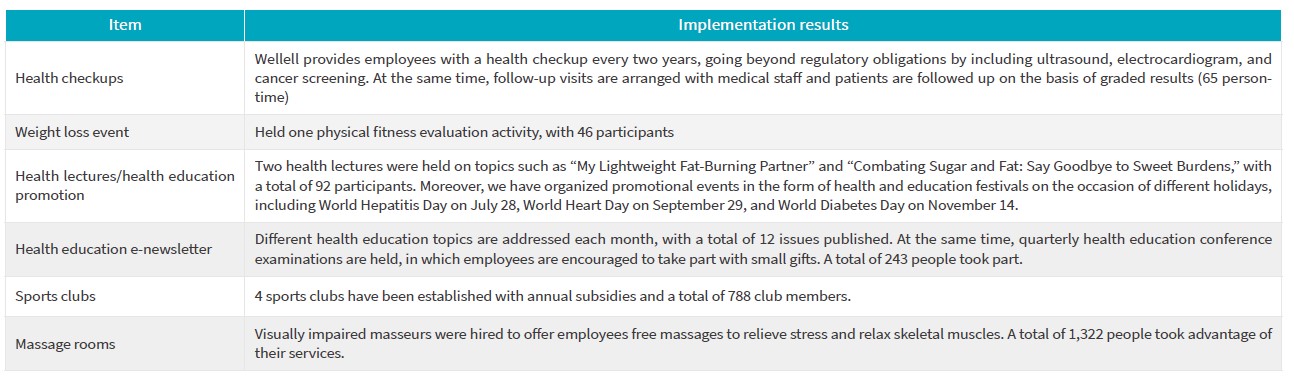
Employee Care and Benefits
Wellell provides a broad welfare and benefits program including health checks, insurance, meal subsidies,
club activities, and family-friendly support. The objective is to maintain employee well-being while
fostering engagement and retention.
Benefit design is reviewed annually based on employee feedback and policy effectiveness, ensuring support
programs remain practical and aligned with workforce needs.
Occupational Health and Safety
Wellell is committed to a safe and healthy workplace through robust safety management, risk assessment,
preventive training, and regulatory compliance. Dedicated safety committees monitor hazards and implement
corrective actions to reduce incident risk.
Occupational health programs include ergonomics, hazard prevention, and emergency response training.
Progress is monitored through periodic reviews and reported to management to continuously strengthen safety
performance.
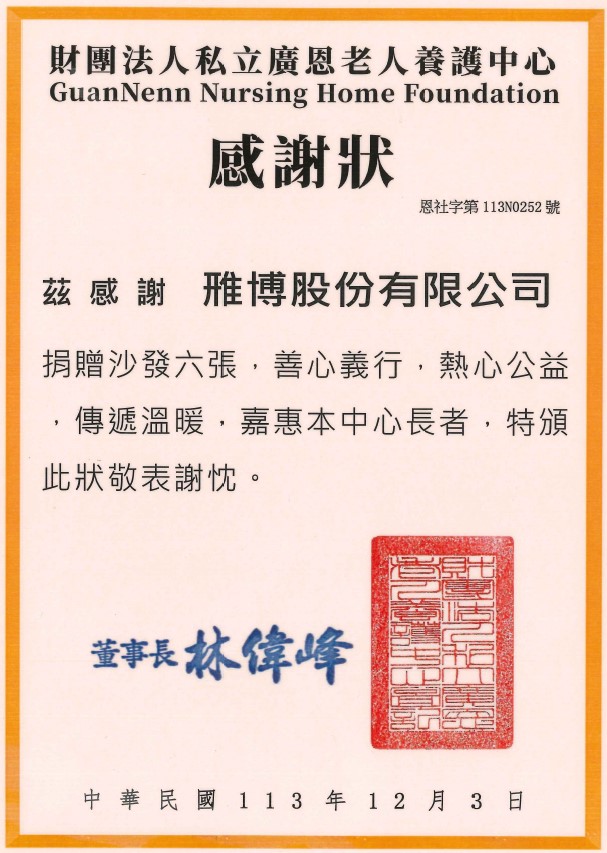
Society
Wellell supports community well-being through long-term social participation projects, including
healthcare-related initiatives, public welfare donations, and volunteer activities focused on vulnerable
populations. These programs align with SDG priorities and local community needs.
By integrating social care into regular operations, Wellell aims to create sustainable positive impact and
strengthen trust with communities where employees and partners live and work.
Supply Chain
Wellell collaborates with suppliers to improve quality, compliance, and sustainability performance
throughout the value chain. Supplier onboarding includes code-of-conduct commitments, quality audits, and
environmental and social compliance screening.
Key suppliers are reviewed regularly on delivery, quality, and ESG risk indicators. Corrective action
plans and capability support are provided when needed to ensure stable supply and responsible procurement
practices.
Intellectual Property Management Policy
Wellell follows an innovation-driven development strategy supported by a comprehensive IP management
policy that covers patent, trademark, and technology protection throughout the product lifecycle.
Cross-functional teams manage IP applications, review potential risks, and monitor competitor trends to
strengthen technology competitiveness while ensuring regulatory and legal compliance in key markets.